Careful Evaluation and Removal of Common Skin Lesions

Moles—also known as nevi—are extremely common and often harmless. Still, they can become irritating, cosmetically bothersome, or a source of uncertainty if they change in appearance. At Worcester Plastic Surgery, nevus and mole removal is approached with the same care and clinical judgment as any other procedure. The goal is not simply removal, but clarity, safety, and results that heal well and blend naturally with the surrounding skin.

Led by Dr. Joanna Ng-Glazier, a double board-certified plastic surgeon, the MedSpa provides mole removal as part of a thoughtful, patient-centered approach to skin care. Each lesion is evaluated individually to determine whether removal is appropriate and which technique best supports both diagnosis and cosmetic outcome.

What Are Nevi (Moles)?

Nevi are clusters of pigment-producing cells that appear as spots or growths on the skin. They can be flat or raised, light or dark, and may develop at birth or appear over time. Most moles are benign and remain stable throughout life.

However, some nevi may change in size, shape, or color, become irritated by clothing or shaving, or raise cosmetic concerns due to their location. In these cases, professional evaluation and removal may be recommended for comfort, reassurance, or diagnostic purposes.

womans body

Common Reasons Patients Seek Mole Removal

Patients choose nevus or mole removal for a variety of reasons that extend beyond appearance alone. Common concerns include:

  • A mole that catches on clothing or jewelry
  • Irritation, bleeding, or repeated trauma
  • Cosmetic concerns, especially on the face or neck
  • Changes in size, color, or shape
  • Desire for definitive diagnosis and peace of mind
  • Difficulty monitoring a mole due to its location

Dr. Ng-Glazier approaches these concerns with care and transparency, helping patients understand when removal is appropriate and when observation is sufficient.


Evaluation Before Mole Removal

Proper evaluation is an essential step before any mole is removed. Not all moles should be treated the same way, and some require specific techniques to ensure accurate diagnosis.

During evaluation, Dr. Ng-Glazier considers:

  • The mole’s size, color, and borders
  • Location on the body or face
  • History of change or symptoms
  • Personal and family skin cancer history
  • Whether biopsy or full excision is indicated

This careful assessment ensures that removal is both safe and medically appropriate.

Mole Removal Techniques

There is no single approach to mole removal. The technique is selected based on the characteristics of the mole and the goals of treatment. Depending on the situation, mole removal may involve:

  • Shave removal for select raised, benign-appearing moles
  • Surgical excision for deeper or atypical lesions
  • Biopsy with pathological evaluation when indicated

Dr. Ng-Glazier prioritizes complete and appropriate removal while minimizing disruption to surrounding skin and supporting favorable healing.

Benefits of Professional Nevus Removal

When performed thoughtfully, mole removal offers both practical and emotional benefits. Potential benefits include:

  • Relief from irritation or discomfort
  • Improved cosmetic appearance
  • Clear pathological diagnosis when needed
  • Reduced anxiety about skin changes
  • Clean, controlled healing
  • Careful scar placement and management

Dr. Ng-Glazier emphasizes results that are both medically sound and cosmetically considerate.

Background media

Who Is a Good Candidate for Mole Removal?

Good candidates for nevi or mole removal are individuals in good overall health who have a mole that is symptomatic, changing, or cosmetically bothersome. Many patients are wellness-focused and prefer professional evaluation rather than self-monitoring or at-home attempts at removal.

You may be a strong candidate if a mole causes irritation, concern, or draws unwanted attention. During consultation, Dr. Ng-Glazier will determine whether removal is appropriate now or whether monitoring is the better option.

flowers

Schedule A Consultation

Contact Us
Contact us media

Your Consultation

The consultation is a key part of the process. Dr. Ng-Glazier takes time to review your medical history, examine the mole, and discuss any symptoms or changes you’ve noticed.

You will receive a clear explanation of whether removal is recommended, what technique would be used, and what to expect from healing and scarring.

If removal is not advised, that guidance is shared honestly. The focus is always on education, clarity, and pressure-free decision-making.

“I absolutely loved my experience with Dr. Ng-Glazier. She’s truly exceptional (brilliant!), and I have thoroughly enjoyed our time working together.”

Dr. Amanda Jones

quote media
logomark

What to Expect During Your Procedure

Nevi and mole removal is typically performed in-office under local anesthesia. The area is carefully numbed to ensure comfort throughout the procedure. Depending on the technique used, the mole is either shaved flush with the skin or excised with a small margin of surrounding tissue.

Meticulous technique is used to support clean healing and minimize scarring. When appropriate, removed tissue is sent for pathological evaluation.

Patients return home the same day with detailed aftercare instructions.

Recovery & Results

Recovery after mole removal depends on the technique used and the location of the lesion. Mild tenderness, redness, or swelling is common initially and typically improves over several days. Patients are advised to keep the area clean, avoid picking or friction, and protect the site from sun exposure during healing.

Dr. Ng-Glazier provides specific guidance on wound care and follow-up. As healing progresses, the area continues to soften and fade. Final results reveal smoother skin with a scar that blends naturally over time when cared for properly.

Alternatives to Mole Removal

Not every mole needs to be removed. Observation may be appropriate for stable, asymptomatic nevi that do not raise cosmetic or medical concern.

During consultation, Dr. Ng-Glazier will discuss whether monitoring, removal, or biopsy best aligns with your needs and long-term skin health.

Background media

Meet Your Provider: Dr. Joanna Ng-Glazier

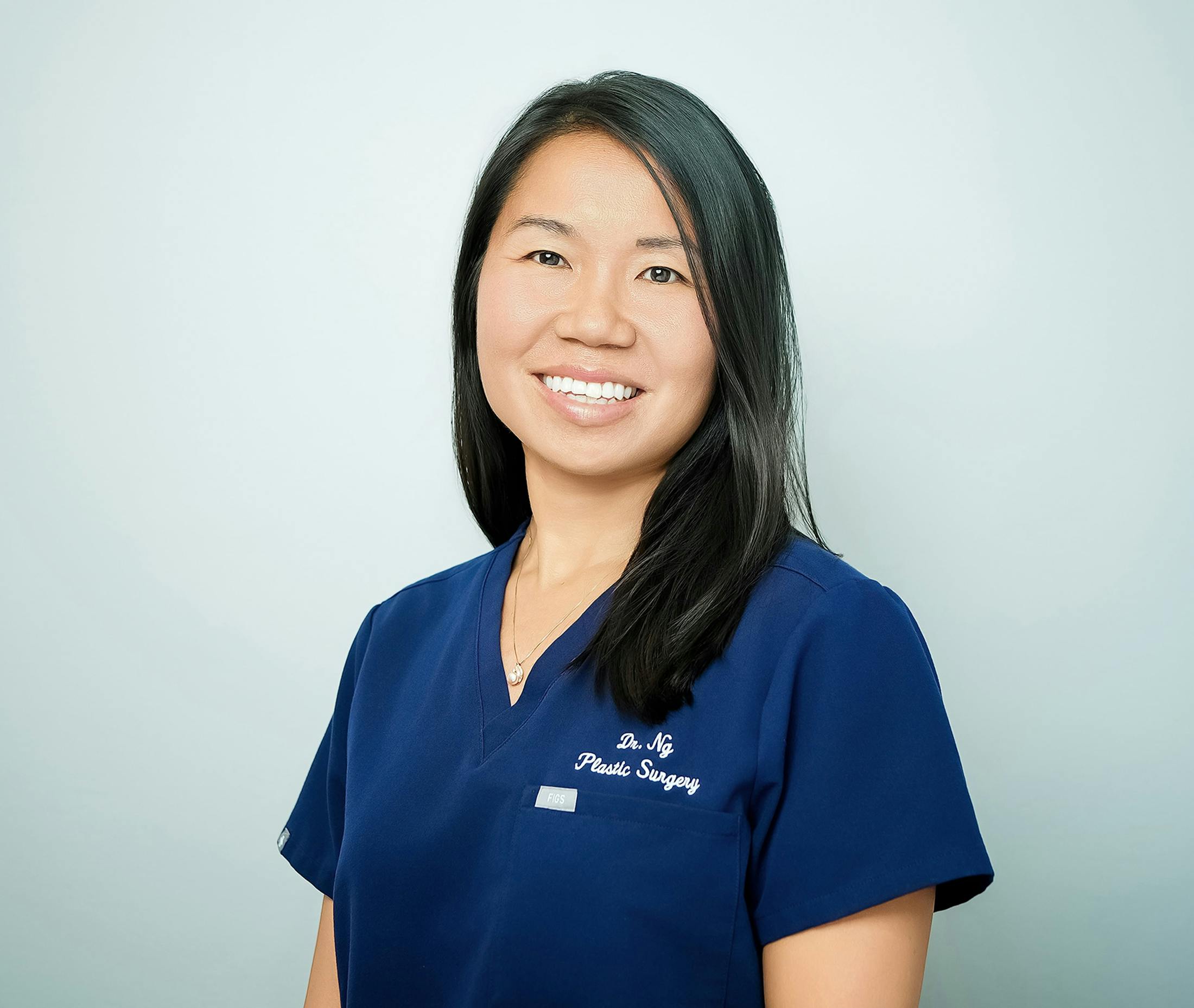
Dr. Joanna Ng-Glazier is a double board-certified plastic surgeon and Fellow of the American College of Surgeons with extensive experience in skin procedures and lesion evaluation. Known for her precise technique and thoughtful judgment, she ensures mole removal is handled with care, accuracy, and respect for both diagnosis and cosmetic outcome.

Dr. Glazier in blue scrubs

Why Choose Worcester Plastic Surgery for Mole Removal?

Worcester Plastic Surgery offers nevus and mole removal in a boutique, concierge environment where patients receive individualized attention and unhurried care. Dr. Ng-Glazier combines surgical expertise with a measured, honest approach—carefully evaluating each lesion and recommending removal only when it truly serves the patient’s health, comfort, or peace of mind. From evaluation through healing, care is grounded in precision, transparency, and long-term skin well-being.

Banner media

Frequently Asked Questions Nevus / Mole Removal

If you are considering nevi or mole removal in Worcester and Concord, MA and want careful evaluation and expert treatment focused on safety and cosmetic outcome, Worcester Plastic Surgery offers care grounded in precision, trust, and thoughtful medical judgment.

Are all moles safe to remove?

Most benign moles can be safely removed, but evaluation is important to determine the appropriate technique and whether pathology is needed.

Will the mole be tested after removal?

If there is any question about the nature of the mole, the tissue is sent for pathological evaluation to confirm the diagnosis.

Does mole removal leave a scar?

Any skin procedure can leave a mark, but careful technique and proper aftercare help scars heal as discreetly as possible over time.

Is mole removal painful?

Local anesthesia is used to keep the procedure comfortable, and post-procedure discomfort is usually mild and short-lived.

How long does healing take?

Initial healing typically occurs within one to two weeks, with continued scar maturation over the following months.

Schedule a Consultation

Schedule a consultation with Dr. Ng-Glazier to explore personalized options and take the next step toward confident, natural-looking results.

Contact Us
Contact us media
Contact us media
logomark
Accessibility: If you are vision-impaired or have some other impairment covered by the Americans with Disabilities Act or a similar law, and you wish to discuss potential accommodations related to using this website, please contact our Accessibility Manager at 508-928-3086.
Contact Us