Scar Care That Prioritizes Comfort, Control, and Long-Term Results

Keloid scars are more than a cosmetic concern. They can feel firm, itchy, tender, or continue to grow long after the original injury has healed. For many patients, keloids create ongoing discomfort and self-consciousness, especially when they appear in visible areas such as the chest, shoulders, jawline, or earlobes. 

At Worcester Plastic Surgery, keloid treatment is approached with precision, patience, and realistic expectations, recognizing that successful management is often a process rather than a single procedure.

Led by Dr. Joanna Ng-Glazier, a double board-certified plastic surgeon, our team provides keloid care rooted in accurate diagnosis, individualized planning, and techniques chosen to reduce recurrence and support long-term scar control.

What Is a Keloid Scar?

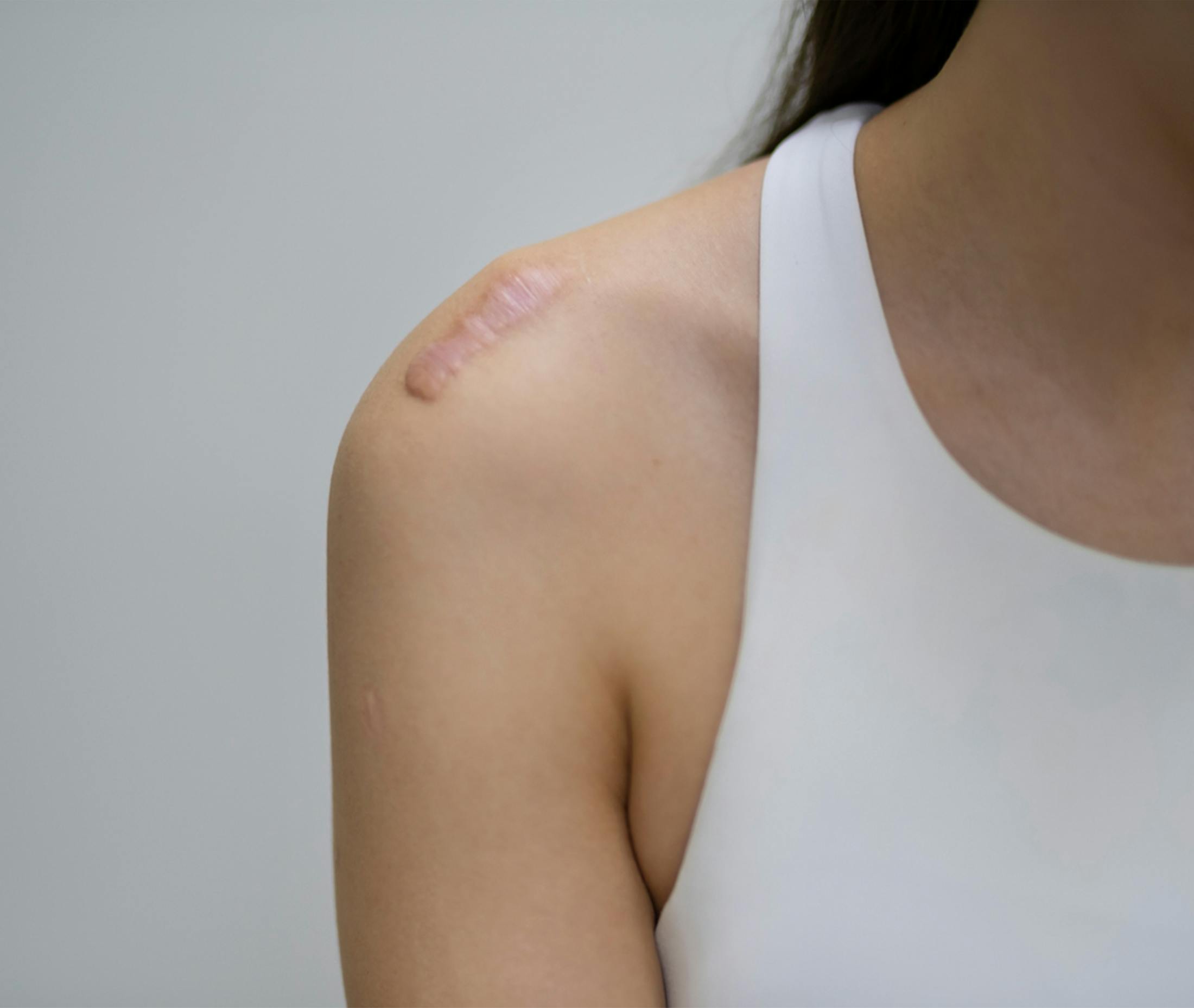
A keloid is a type of raised scar that forms when the body produces excess collagen during healing. Unlike typical scars, keloids often extend beyond the boundaries of the original wound and may continue thickening over time. Keloids can develop after:

  • Ear piercings
  • Acne or inflamed skin conditions
  • Surgery or medical procedures
  • Cuts, burns, or minor trauma
  • Vaccinations or injections

Some people are more prone to keloid formation due to genetics, skin type, or a history of abnormal scarring. During consultation, Dr. Ng-Glazier evaluates whether a scar is truly a keloid or another type of raised scar, as this distinction affects treatment planning.

Schedule A Consultation

Contact Us
Contact us media

Symptoms and Concerns Common With Keloids

Keloids vary in size and behavior. Some remain stable, while others expand gradually and become increasingly symptomatic. Patients often seek treatment because a keloid:

  • Feels itchy or irritated
  • Causes tenderness or pain
  • Becomes inflamed or sensitive to clothing friction
  • Continues to thicken over time
  • Appears prominent or uneven on the skin
  • Limits movement in areas with frequent tension

A careful evaluation helps determine whether the focus should be symptom relief, cosmetic improvement, or long-term scar control.

womans lower face

Benefits of Professional Keloid Treatment

Keloid management requires experience and a conservative approach. With expert planning, treatment can significantly improve both symptoms and appearance. Benefits may include:

  • Reduced thickness and firmness of the scar
  • Less itching, tenderness, or irritation
  • Improved flexibility of the affected area
  • More even contour and surface appearance
  • Reduced likelihood of continued growth
  • A structured plan for long-term control

Dr. Ng-Glazier emphasizes realistic, sustainable improvement rather than aggressive treatment that increases recurrence risk.

Banner media

Who Is a Good Candidate for Keloid Treatment?

Good candidates for keloid treatment are individuals in good overall health who have raised scar tissue that is growing, symptomatic, or cosmetically bothersome. 

Many patients seek care after living with a keloid for months or even years, often after unsuccessful at-home remedies or incomplete treatment elsewhere. You may be a strong candidate if your scar feels firm, raised, itchy, tender, or continues to extend beyond the original wound. During consultation, Dr. Ng-Glazier reviews scar history, skin response, and prior treatments to recommend the most appropriate option.

Keloid Treatment Options at Worcester Plastic Surgery

Because keloids behave differently than typical scars, successful treatment often requires a tailored combination approach. The best option depends on the keloid’s size, age, location, and symptoms.

Keloid Injections

Steroid injections (commonly Kenalog) are a non-surgical treatment used to reduce inflammation and slow excessive collagen production. Over time, injections can help soften and flatten a keloid while reducing itching or discomfort. Many patients benefit from a series of injections spaced several weeks apart.

Keloid Excision

For larger, persistent, or functionally bothersome keloids, surgical removal may be recommended. Keloid excision is planned carefully to minimize tension during closure, as tension can increase recurrence risk. Because excision alone may not fully prevent regrowth, Dr. Ng-Glazier often recommends follow-up therapies for long-term control.

Combination Treatment for Better Long-Term Control

In many cases, the most effective strategy combines excision and injection therapy, sometimes alongside laser treatment or ongoing monitoring. Rather than pursuing a one-time “quick fix,” treatment is designed to reduce the keloid’s activity and improve the scar’s long-term behavior.

Background media

Your Consultation

Keloid treatment begins with a detailed consultation and evaluation. 

Dr. Ng-Glazier takes time to understand when the scar formed, how it has changed, and what symptoms you are experiencing. You will receive an honest explanation of what keloid treatment can realistically achieve, the likelihood of recurrence, and the steps required for effective management. If treatment is not recommended, that guidance is shared openly. The goal is always clarity and informed decision-making—not pressure.

Dr. Ng-Glazier is amazing! I had a huge hump on my back due to medication I took. She removed it and left zero scarring. I’m going back to her this summer for a lower-body lift after losing over 120 lbs. I trust her completely!!!! Highly recommend.

Rebecca Scott

quote media
logomark

What to Expect During Treatment

Treatment is performed in-office or in a surgical setting, depending on the approach recommended. If injections are planned, the process is typically brief and requires little downtime.

If surgical excision is recommended, Dr. Ng-Glazier will review the procedure in detail, including the closure technique, follow-up schedule, and scar-management plan afterward. Regardless of the approach, careful follow-through and monitoring are essential, and patients are supported throughout every phase of care.

Recovery & Results

Recovery varies depending on whether treatment involves injections, excision, or a combined plan.
After injections, mild soreness or redness may occur, but most patients return to normal activity the same day. Improvement develops gradually over the following weeks as the scar softens and flattens. After excision, patients can expect temporary swelling and tenderness at the surgical site, along with specific guidance to minimize tension and friction during healing. Follow-up appointments are important, as additional treatments may be recommended to reduce recurrence risk. Over time, the treated area typically becomes flatter, less symptomatic, and easier to manage. While keloids can be stubborn, a structured treatment plan can significantly improve both comfort and appearance.

Alternatives to Keloid Treatment

Some keloids remain stable and do not require intervention. In other cases, observation or conservative scar care may be recommended before active treatment.

Dr. Ng-Glazier will guide you through whether treatment is appropriate now, whether a staged approach makes sense, or whether ongoing monitoring is the best choice for your skin.

Background media

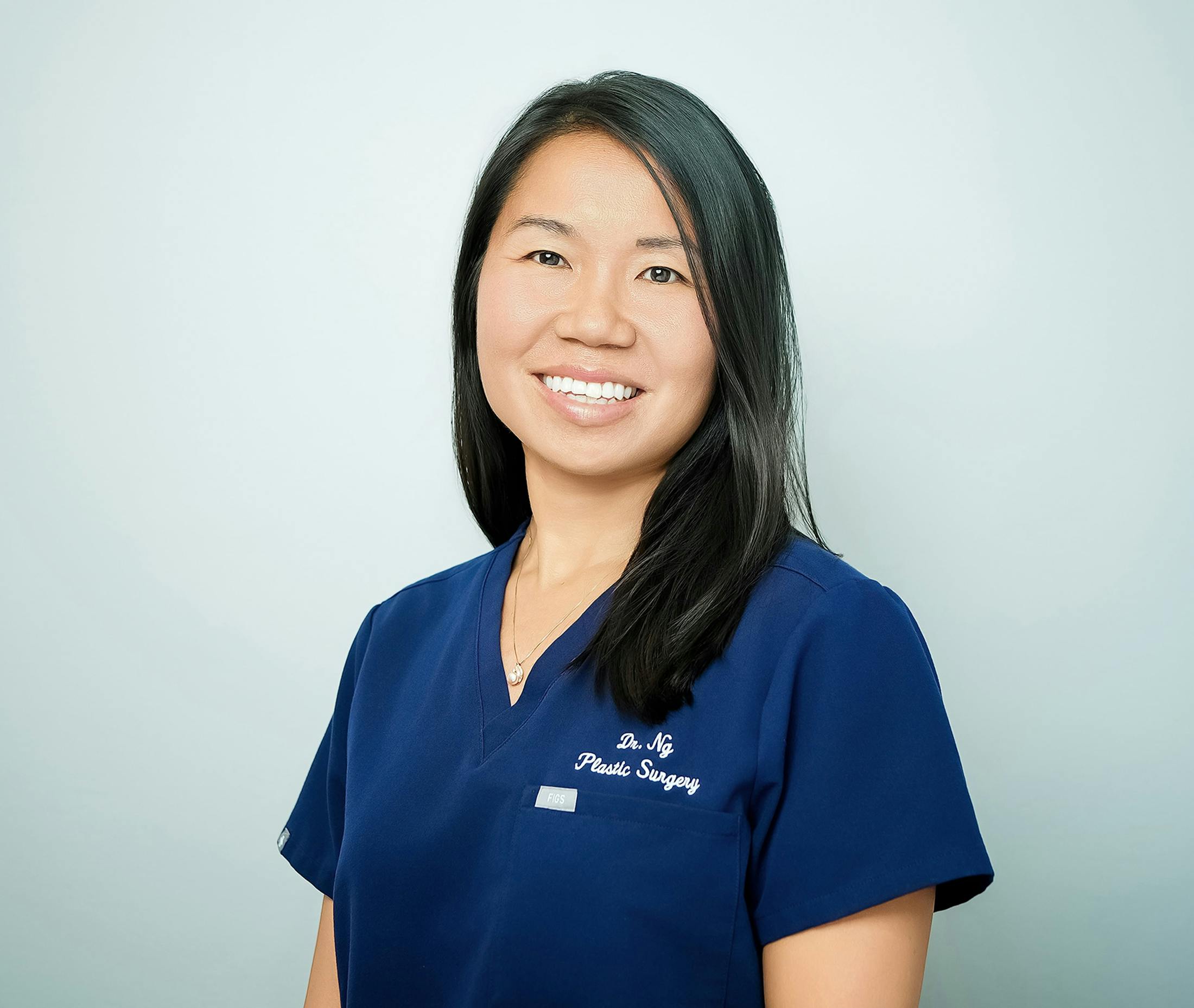
Meet Your Provider: Dr. Joanna Ng-Glazier

Dr. Joanna Ng-Glazier is a double board-certified plastic surgeon and Fellow of the American College of Surgeons with extensive experience in scar management and soft tissue care. Her thoughtful, anatomy-informed approach ensures keloid treatment is personalized, conservative, and designed to support long-term scar control rather than short-term change.

Dr. Glazier in blue scrubs

Why Choose Worcester Plastic Surgery for Keloid Treatment?

Worcester Plastic Surgery provides keloid treatment in a boutique, concierge environment where patients receive individualized attention and unhurried care. Dr. Ng-Glazier emphasizes honest expectations, precise technique, and careful long-term planning—recognizing that successful keloid care requires patience and consistent follow-through. Patients value the transparency, education, and support that make the process feel both manageable and medically grounded.

Banner media

Frequently Asked Questions Keloid Treatment

If you are seeking keloid treatment in Worcester and Concord, MA and want a measured, expert-guided approach focused on comfort and long-term control, Worcester Plastic Surgery offers scar care rooted in precision, honesty, and patient support.

What is the difference between a keloid and a hypertrophic scar?

Hypertrophic scars stay within the original wound area, while keloids extend beyond it and may continue growing. This difference proves important when deciding on treatment.

Do keloids go away on their own?

Keloids rarely disappear without treatment. Some remain stable, but others may gradually thicken or become more symptomatic over time.

How many keloid injections will I need?

Most patients require a series of injections spaced several weeks apart. The exact number depends on the scar’s response and overall behavior.

Can a keloid come back after surgery?

Yes. Keloids have a known risk of recurrence after excision, which is why Dr. Ng-Glazier often recommends follow-up treatments and close monitoring.

Is keloid treatment painful?

Discomfort is usually mild and brief. Injections may cause temporary stinging, and excision involves anesthesia for comfort, with manageable soreness during healing.

Schedule a Consultation

Schedule a consultation with Dr. Ng-Glazier to explore personalized options and take the next step toward confident, natural-looking results.

Contact Us
Contact us media
Contact us media
logomark
Accessibility: If you are vision-impaired or have some other impairment covered by the Americans with Disabilities Act or a similar law, and you wish to discuss potential accommodations related to using this website, please contact our Accessibility Manager at 508-928-3086.
Contact Us