Surgical Management for Persistent or Recurrent Keloid Scars

Keloid scars can be physically uncomfortable and emotionally frustrating. Unlike typical scars, keloids extend beyond the original wound and may continue to grow, thicken, or cause symptoms such as itching, tenderness, or tightness. For some patients, non-surgical treatments alone are not sufficient. At Worcester Plastic Surgery, keloid excision is approached as one part of a broader scar-management strategy—not a standalone fix.

Led by Dr. Joanna Ng-Glazier, a double board-certified plastic surgeon, the practice offers keloid treatment in Worcester & Concord, MA, with an emphasis on careful planning, precise surgical technique, and long-term control. Every recommendation is grounded in honest expectations and an understanding of how keloid scars behave over time.

What Is Keloid Excision?

Keloid excision is a surgical procedure that removes raised keloid scar tissue from the skin.

Unlike simple scar revision, excision must be performed thoughtfully, as keloids have a known tendency to recur if treated aggressively or without a comprehensive plan. Keloid excision in Worcester, MA focuses on removing excess scar tissue while preserving surrounding healthy skin. Dr. Ng-Glazier evaluates each scar’s size, location, and growth pattern to determine whether surgical removal is appropriate and how it should be combined with other therapies to reduce recurrence risk.

woman smiling

When Is Keloid Excision Recommended?

Not all keloids should be excised. In some cases, injections or observation are better first-line options. Surgical removal is typically considered when a keloid is particularly problematic. Keloid excision may be recommended when:

  • The scar continues to enlarge despite non-surgical treatment
  • Symptoms such as pain or itching persist
  • The keloid interferes with movement or daily activities
  • The scar is repeatedly irritated or traumatized
  • Prior injection therapy has provided limited improvement

Dr. Ng-Glazier provides clear guidance on when excision is appropriate—and when it may do more harm than good.

Common Areas Treated With Keloid Excision

Keloids can form anywhere on the body, but certain areas are more prone to aggressive scarring.

Common locations treated include:

  • Earlobes, often after piercings
  • Chest and upper torso
  • Shoulders and upper back
  • Neck and jawline
  • Previous surgical incision sites

Scar location plays a significant role in treatment planning, as tension and movement affect healing and recurrence risk.

Keloid Excision as Part of a Broader Treatment Plan

Surgical removal alone is rarely sufficient for long-term keloid control. Successful keloid scar removal in Worcester & Concord, MA, typically involves a combined approach. Depending on the scar, treatment may include:

  • Surgical excision of the keloid
  • Postoperative steroid (Kenalog) injections
  • Laser therapy to support scar remodeling
  • Close follow-up and staged care
  • Preventive strategies to limit recurrence

Dr. Ng-Glazier emphasizes keloid treatment as a process, not a single event.

Benefits of Keloid Excision

When carefully selected and properly managed, keloid excision can offer meaningful improvement. Potential benefits include:

  • Removal of bulky or uncomfortable scar tissue
  • Improved contour and flexibility of the affected area
  • Reduction in pain, itching, or tightness
  • Better response to adjunctive scar treatments
  • Improved appearance when combined with follow-up therapy
  • A structured plan for long-term scar control

The goal is improvement and manageability, not perfection.

Background media

Who Is a Good Candidate for Keloid Excision in Worcester, MA?

Good candidates for keloid excision are individuals in good overall health with problematic keloids that have not responded adequately to conservative treatment. Many patients seek surgery because a scar affects comfort, movement, or quality of life.

During consultation for keloid excision in Worcester, MA, Dr. Ng-Glazier evaluates scar behavior, prior treatments, skin type, and individual risk factors. If excision is not recommended, that guidance is shared openly.

womans legs

Schedule A Consultation

Contact Us
Contact us media

Your Consultation

The consultation is a critical step in planning keloid treatment. 

Dr. Ng-Glazier reviews how the keloid formed, how it has changed, and what treatments have already been attempted. You will receive a clear explanation of what keloid excision can realistically achieve, how recurrence is managed, and what postoperative care involves. If surgery is not the best option, alternative strategies are discussed. The focus is always on informed, pressure-free decision-making.

“Dr. Ng-Glazier was so sweet and helpful. She fully explained my situation so I could understand it. I can’t wait to go back for my next procedure! I just loved her and how she showed she cares.”

Yasmin Correa

quote media
logomark

What to Expect During Your Procedure

Keloid excision in Worcester, MA is typically performed under local anesthesia, sometimes with additional comfort measures depending on scar size and location. Dr. Ng-Glazier carefully removes the keloid tissue while minimizing trauma to the surrounding skin.

Closure is performed with attention to tension reduction, as excess tension can increase recurrence risk. In some cases, adjunctive treatments begin soon after surgery to support optimal healing. Patients return home the same day with detailed aftercare instructions.

Recovery & Results

Recovery after keloid excision varies based on scar size and location. Mild swelling, soreness, or tightness is expected initially and typically improves over one to two weeks. Patients are advised to avoid tension, friction, or stretching across the surgical site during early healing.

Follow-up visits are an important part of recovery, as additional treatments such as injections may be scheduled to reduce recurrence risk. Over time, the area heals flatter and more flexible. While no keloid treatment guarantees permanent elimination, careful planning significantly improves long-term outcomes.

Alternatives to Keloid Excision

Alternatives may include steroid injections, laser therapy, pressure therapy, or observation. In some cases, combining non-surgical treatments without excision offers better long-term control.

During consultation, Dr. Ng-Glazier will explain whether excision, another treatment, or a staged approach best aligns with your goals and scar behavior.

Background media

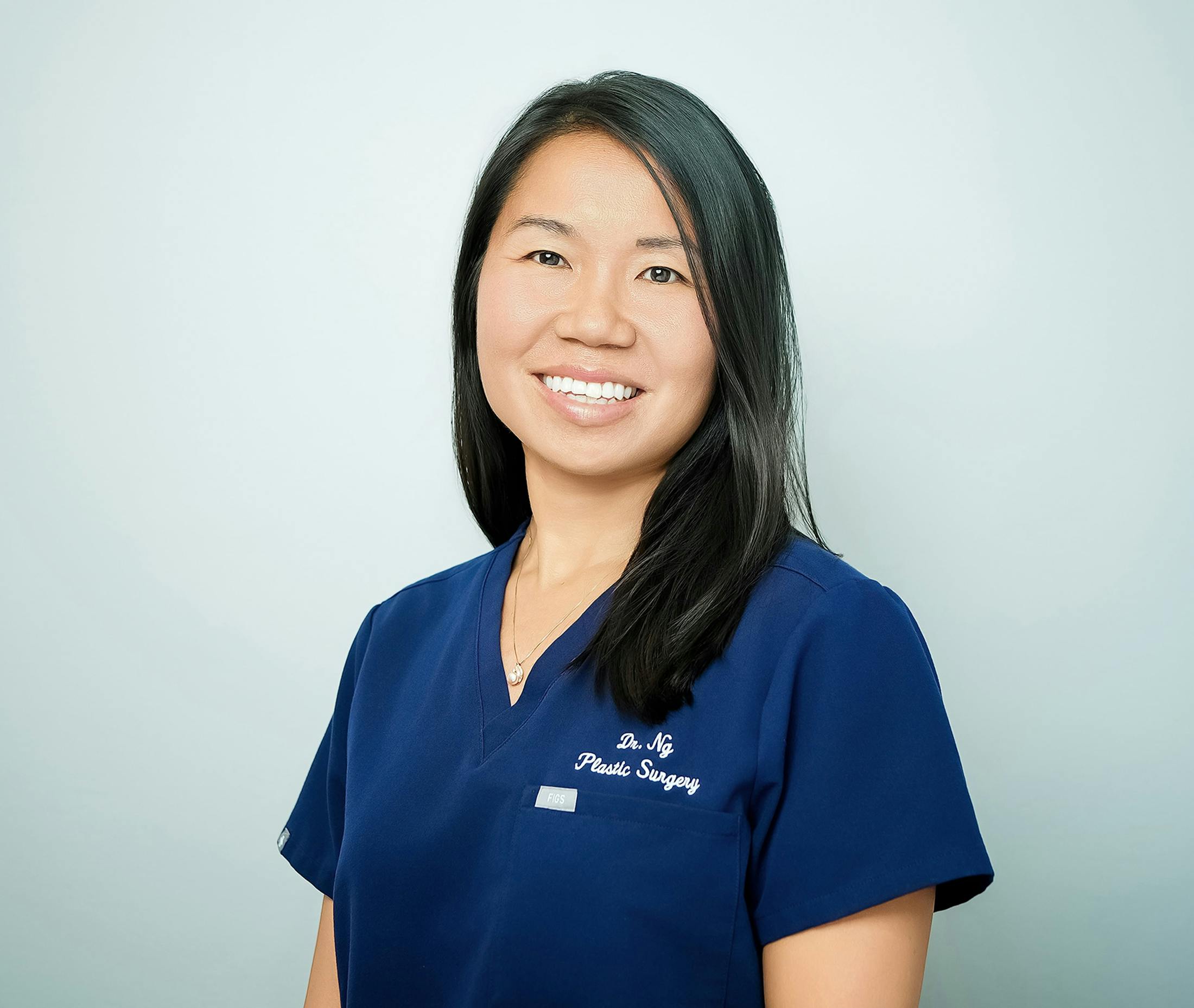
Meet Your Provider: Dr. Joanna Ng-Glazier

Dr. Joanna Ng-Glazier is a double board-certified plastic surgeon and Fellow of the American College of Surgeons with extensive experience in complex scar management. Her thoughtful, anatomy-informed approach ensures keloid excision is performed conservatively and strategically, with close attention to healing and recurrence prevention.

Dr. Glazier in blue scrubs

Why Choose Worcester Plastic Surgery for Keloid Excision?

Worcester Plastic Surgery offers keloid scar removal in Worcester & Concord, MA, within a boutique, concierge practice focused on individualized care. Dr. Ng-Glazier emphasizes education, precision, and long-term planning—recognizing that successful keloid treatment requires patience and follow-through. Patients value the honest guidance, careful surgical technique, and comprehensive approach that prioritizes comfort, function, and sustainable results.

Banner media

Frequently Asked Questions Keloid Excisio

If you are considering keloid excision in Worcester, MA and want a careful, expert-driven approach to managing raised scars, Worcester Plastic Surgery offers treatment grounded in precision, honesty, and long-term scar health.

Will removing a keloid cause it to come back bigger?

Keloids can recur after excision if not managed properly. This is why surgery is paired with follow-up treatments to reduce recurrence risk.

Is keloid excision painful?

The procedure is performed with anesthesia for comfort. Postoperative soreness is usually manageable and temporary.

How long does healing take after excision?

Initial healing typically occurs within one to two weeks, but scar maturation and follow-up treatment continue over several months.

Can all keloids be surgically removed?

Not always. Some keloids are better managed without surgery, depending on size, location, and prior response to treatment.

Will I need injections after surgery?

In many cases, postoperative injections are recommended to help control scar regrowth. This is discussed in advance.

Schedule a Consultation

Schedule a consultation with Dr. Ng-Glazier to explore personalized options and take the next step toward confident, natural-looking results.

Contact Us
Contact us media
Contact us media
logomark
Accessibility: If you are vision-impaired or have some other impairment covered by the Americans with Disabilities Act or a similar law, and you wish to discuss potential accommodations related to using this website, please contact our Accessibility Manager at 508-928-3086.
Contact Us